Practical information Mauritania
Planning a trip to Mauritania requires some specific considerations that our team based in Nouakchott helps you clarify beforehand. Antsa and the team answer the same questions every week: do you need a visa on arrival at Nouakchott Oumtounsy airport or an e-visa, which vaccinations to plan beyond mandatory yellow fever, what budget to allocate in ouguiyas for fifteen days in the Adrar, how to combine 4x4 with SNIM's mineral train. The local currency, the ouguiya MRU, can only be exchanged once on-site, in Nouakchott or Atar, and ATMs remain rare outside the capital. The climate imposes a strict schedule: travel from October to March to avoid the 45°C heat inland, knowing that the harmattan can reduce visibility in January-February. Transport relies almost exclusively on 4x4 with driver in the desert, domestic flights being limited to the Nouakchott-Zouérat connection. As for etiquette, Moorish society remains conservative: modest clothing for women, right hand for eating fish and rice or shared grilled meat, politely declining tea after the third round. Our practical information also details safety (border areas with Mali and Algeria not recommended, rest of the country calm), connectivity (Mauritel and Mattel cover cities), water (always bottled) and electricity (220V, type C outlets).
Plan your trip by theme
Explore our practical guides organized by category to quickly find the information you need.
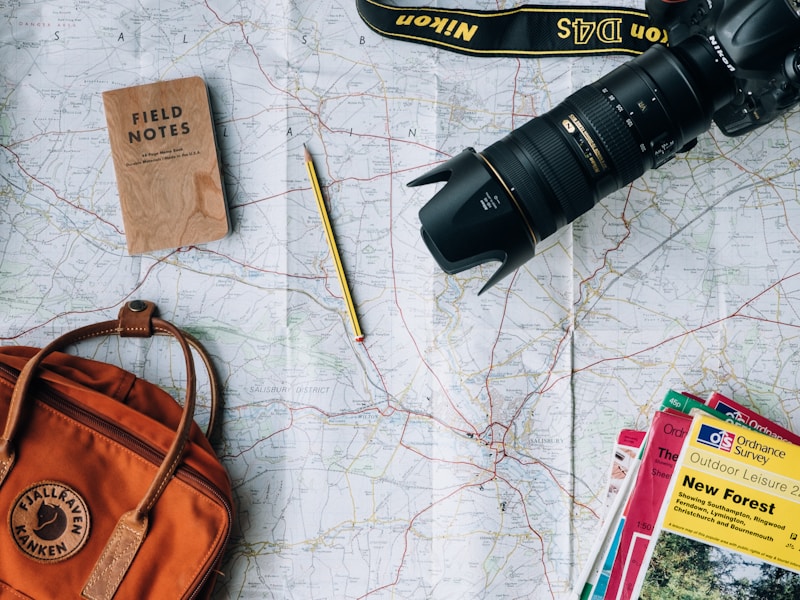
Before You Go
Visa on arrival or e-visa, passport valid for six months, recommended vaccinations and travel insurance to arrange before departure to Mauritania.
4 articles
Budget Money
Ouguiya MRU non-convertible outside the country, exchange in Nouakchott, daily budget 80 to 130 euros, cash payment predominant and moderate tipping.
1 article
Climate Season
Cool season from October to March, daytime temperatures 20 to 30°C, possible harmattan winds, summer to avoid with peaks reaching 45°C.
1 article
Transports
4x4 with essential driver off-road, Zouérat-Nouadhibou mineral train, limited domestic flights, shared taxis in town.

Culture
Modest Moorish society, covered attire, eating with the right hand, tea codes in three rounds, lengthy greetings and strong hospitality.
16 articles
Useful Tips
Border areas Mali and Algeria not recommended, rest of the country calm, bottled water, 220V type C outlets, good network in cities.
3 articlesAll practical guides
Search and filter among 25 articles


18 of 25 results
Frequently asked questions
The answers to the most frequently asked questions from our travellers.
Yes, a visa is mandatory for most nationalities, including French, Belgian, Swiss and Canadian citizens. Two options are available: the visa on arrival at Nouakchott Oumtounsy international airport or at Nouadhibou, issued on the spot for €55 payable in cash (euros accepted), valid for 30 days for single entry. The e-visa can be requested online via the official ANRPTS portal, allowing 48 to 72 hours for processing at the same rate. Your passport must be valid for at least six months after your entry date and have two blank pages. We will send you the detailed procedure upon travel confirmation and will prepare an invitation letter if necessary for land border crossings.
Yellow fever vaccination is mandatory for all travelers arriving from an endemic country, and strongly recommended for all others: the international certificate is checked upon arrival. The following vaccinations are recommended and should be up to date: DTP, hepatitis A and B, typhoid, rabies for long stays or travel to remote areas, and meningitis ACYW135 during the dry season. Malaria exists in the Senegal River valley and the south of the country, preventive treatment is advised from October to November, simple repellent is sufficient in the Adrar and the north. No risk in Nouakchott and along the Atlantic coast. Consult an international vaccination center six weeks before departure. Our team in Nouakchott knows the leading clinics in case of need.
For an organized 4x4 circuit with driver, English-speaking guide, accommodations and full board, budget 130 to 180 euros per day per person excluding international flights, based on two participants. On a more independent trip with guesthouses and bush taxis, the budget drops to 50 to 80 euros per day. Some concrete benchmarks: night in a guesthouse in Atar 15 to 25 euros, bivouac with Moorish tent and meals 35 to 50 euros, shared mechoui 20 euros, fuel tank 60 to 80 euros, ticket on the iron ore train in passenger car approximately 30 euros. Renting a 4x4 with driver costs 120 to 150 euros per day, fuel included. Bring cash for purchases outside the capital.
The ideal window extends from mid-October to late March. Daytime temperatures in the Adrar range between 22 and 30°C, with nights dropping to 8 to 12°C, sometimes lower in January. November and December offer the most stable conditions. January and February may experience harmattan episodes, a sand wind that reduces visibility for two to four days. March remains pleasant but marks the return of heat. From April to September, the country's interior becomes challenging: 40 to 47°C during the day, with demanding Saharan tracks. The Banc d'Arguin coastline remains accessible year-round thanks to ocean influence, with milder temperatures around 25°C even in summer.
A 4x4 with an experienced driver remains essential as soon as you leave the rare paved roads (Nouakchott-Atar, Nouakchott-Rosso, Nouakchott-Nouadhibou). Distances are long—allow 8 hours to reach Atar from the capital, 12 hours to Tidjikja. Mauritania Airlines' domestic flights are limited to Nouakchott-Zouérat and Nouakchott-Nouadhibou, useful for saving time. The SNIM mineral train, 18 to 20 hours from Zouérat to Nouadhibou, makes for a memorable crossing rather than practical transport. In town, negotiated yellow taxis and shared taxis handle most needs. We advise against self-driving in the desert: navigation, sandy tracks, and logistics require a local driver.
The country has been generally stable for a decade, and tourism in the Adrar has resumed regularly with European charter flights each winter. The French Ministry of Foreign Affairs classifies most of the territory as orange zone (not recommended except for compelling reasons) on principle due to the Sahel region, and red zones for border areas with Mali and Algeria, which we never approach. Our itineraries stay within authorized zones: Adrar, western Tagant, coastline, Nouakchott. Standard precautions: do not photograph official buildings, respect checkpoints (traveler record book prepared by us), do not travel at night on tracks. Our team monitors security developments daily and adjusts itineraries if necessary.
Ready to travel to Mauritania?
Discover our tailor-made itineraries, designed by our local team. Each route adapts to your pace, your preferences and your travel season.
See our toursWe use cookies to improve your experience and measure our site's audience. You can choose what you accept. Learn more.