Nouakchott and the Southern Coast
Capital built from nothing in 1958, a fishing port where 2,000 pirogues unload each evening, and the Senegal River delta at Diawling: Mauritania's gateway.
Nouakchott lacks the ancient character of a medina, nor does it possess the postcard scenery of other Sahelian capitals. The city was created in 1958 on a sandy plateau between the Atlantic and the desert, chosen as capital at independence precisely because it belonged to none of the country's major tribes. In sixty years, it has grown from a few thousand inhabitants to over one million, swollen by rural exodus during the droughts of the 1970s and 1980s. This recent history is what we explain to travelers from the outset: Nouakchott is not visited like an ancient city; it is read as a distillation of contemporary Mauritania—Moorish in the north, sub-Saharan in the south, nomadic yesterday, urban today.
The capital's greatest strength, which we systematically include in our itineraries, is the fishermen's beach north of the Port of Friendship. Each late afternoon, roughly 2,000 painted wooden pirogues return from the sea and run aground on the sand. The crews, mostly originating from Senegal's Saint-Louis, unload croakers, mullet, and rays amid the shouts of fishmongers. The spectacle is raw, sometimes rough, never staged for the visitor. A few kilometers to the southeast, the El Mina camel market operates equally without concession to tourism: sales at dawn, negotiations in Hassaniyya, animals destined for slaughter or breeding. The National Museum, more modest but worthwhile, provides the archaeological and ethnographic keys to understanding the rest of your journey.
Heading south, the paved road stretches 200 kilometers to Rosso, the border post with Senegal on the river of the same name. The landscape changes quickly: ochre dunes give way to Sahelian savanna dotted with acacias, gum trees, and near the river, doum palms. It is within this narrow band, a few dozen kilometers wide, that the country's agricultural majority lives—Fulani, Soninke, Wolof, and Haalpulaar'en peoples. Villages like Keur Macène, Tiguent, and Boghé line their low houses near rice paddies and market gardens that starkly contrast with the aridity of inland regions.
To the southwest, Diawling National Park protects the northern bank of the Senegal River delta. Established in 1991 to rehabilitate a wetland desiccated by the Diama dam, it now shelters white pelicans, lesser flamingos, goliath herons, and thousands of migratory ducks in winter. It is the exact opposite of Banc d'Arguin further north: many of the same migratory birds, but set in a landscape of fresh water, mangroves, and tamarisks. Imraguen villages are replaced here by camps of Senegalese-Mauritanian fishermen and women's cooperatives processing water lilies and fonio.
As for dining, the southern coast is the region where Mauritania's finest fish is served. Thiéboudienne, rice with fish inherited from neighboring Senegal, is offered in most Nouakchott eateries. More typical of the country, grilled lamb mechoui and mint green tea served in three rounds mark receptions. At the Capitale market in downtown Nouakchott, you'll find dates from the Adrar, gum arabic from the Trarza, and mlahfa fabrics worn by Moorish women.
Nouakchott remains above all the logistical gateway to your journey: Oumtounsy international airport 25 kilometers north, banking facilities, reference hospitals, embassies. We organize briefings, last-minute purchases, and 4x4 deployments here. One night here suffices for most circuits; two nights if you wish to combine the fishing port, Diawling, and camel market without rushing.
What to Discover
Fishermen's beach at the return of the pirogues. Around 5 p.m., roughly 2,000 Lébou and Imraguen pirogues beach simultaneously on the sand of the Port of Friendship. Unloading of catches, fish sorting, and animated negotiations across 800 meters of beach.
El Mina camel market. At dawn, on Nouakchott's southern outskirts, hundreds of dromedaries from the Trarza and Assaba change hands amid palavering in Hassaniyya. No staging, the market operates for herders.
Diawling National Park. The Senegal River delta on the Mauritanian side, observe white pelicans, lesser flamingos, and goliath herons by pirogue from November through March. A day trip from Nouakchott, or overnight camping at Bouhajra.
National Museum and Capitale market. Two hours suffice to recontextualize your journey: prehistory of the Green Sahara, manuscripts from Chinguetti, indigo-dyed mlahfa fabrics and boubous, Mejhoul dates from the Adrar.
River road to Rosso. 200 kilometers paved south through Sahelian savanna, Fulani and Soninke villages, rice paddies of the Trarza, and passage through Keur Macène. Sharp landscape transition between dunes and cultivated lands.
When to Go
The best window runs from November to March. Temperatures in Nouakchott then hover between 18°C at night and 28 to 30°C during the day, with a sea breeze that refreshes the coast. This is also the season when Diawling concentrates migratory birds from Northern Europe, and when pirogues depart daily. April and May remain practicable, but heat climbs rapidly inland once you move away from the coast.
From June to October, the region shifts into hot and humid season. Nouakchott remains moderated by the ocean (32 to 35°C), but humidity exceeds 70%, and monsoon rains, though modest (100 to 150 mm cumulative over August-September), suffice to render some Diawling tracks impassable. Sand winds, frequent in March-April, can reduce visibility on the southern road for a day or two.
Practical Tips
Plan for 1 to 2 nights in Nouakchott at the start or end of your circuit, allowing time for formalities, briefing, the fishermen's beach, and the camel market. To include Diawling, allow 2 additional days for the round trip, or 3 days if you venture down to Rosso and the river. Oumtounsy international airport, 25 km north of the city, is the country's natural entry point, served notably from Paris and Casablanca.
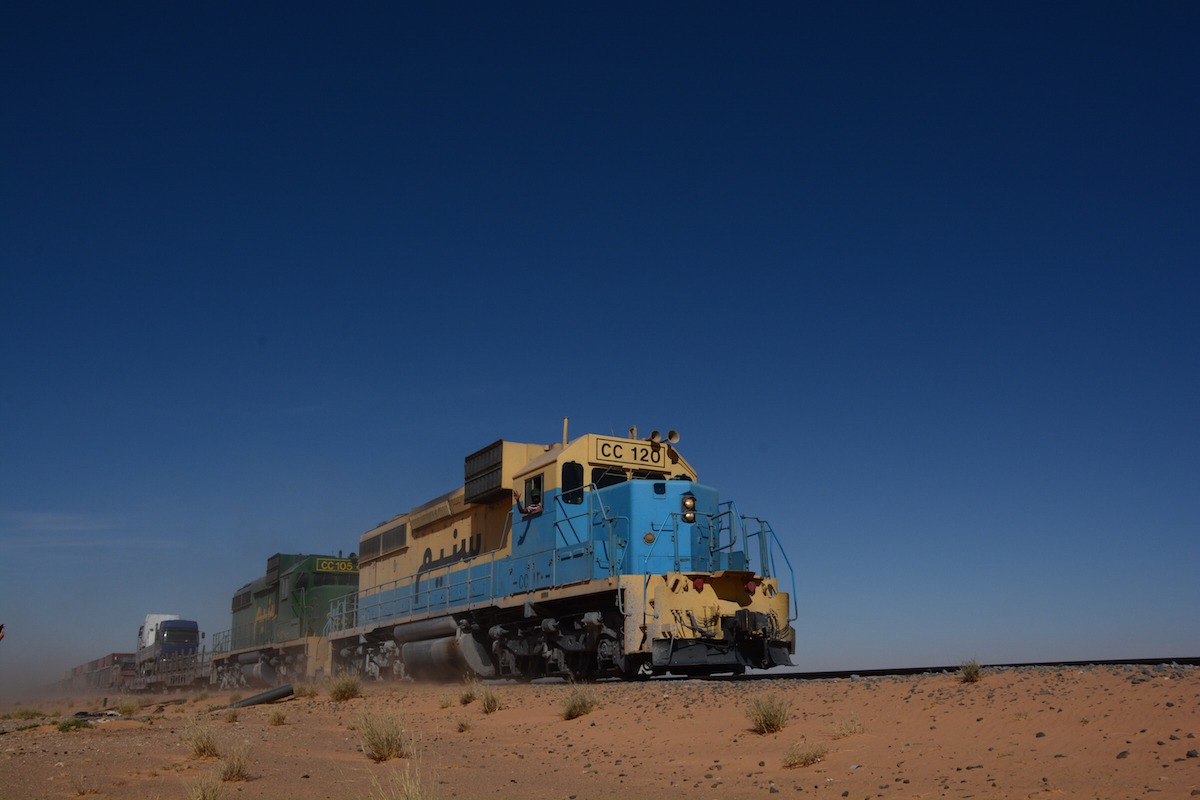
The region logically combines with the Adrar (1.5 hours by internal flight or 600 km of road to Atar) and Banc d'Arguin (200 km north, accessible by 4x4). The Desert Train departs from Nouadhibou and can follow after a few days on the southern coast. Comfort in Nouakchott is respectable, with several international-standard hotels and guesthouses on the waterfront, though the city lends itself little to free strolling: we recommend travel by vehicle with driver. This portion of the journey suits all travelers—those contemplative and keen on birds and wetland landscapes, families with children who will appreciate the fishing port, or simply those wanting to understand urban Mauritania before heading to the desert.