A Book: Sahara. A Man Without the West
Author: Diego Brosset (1898–1944) Genre: Ethnological narrative, autobiographical novel, travel literature Original edition: 1935 (Éditions du Moghreb), reissued with a preface by Vercors
Author: Diego Brosset (1898–1944)
Genre: Ethnological narrative, autobiographical novel, travel literature
Original edition: 1935 (Éditions du Moghreb), reissued with a preface by Vercors
The Work's Context and Connection to Ouadane
Diego Brosset, a French méhariste officer and Companion of the Liberation, lived fifteen years in the Sahara, notably in Mauritania. He shared the life of nomads, learning their language, customs, and worldview.
Sid Ahmed el Mechdoufi belonged to the Mechdouf tribe, a component of Moorish society. His story unfolds primarily in the Majabat al Koubra and the Mreye, an arid and isolated region southeast of Ouadane.
The Nemadis are not a tribe but a specialized group of hunters who tracked the addax (a desert antelope) using sloughis, Saharan greyhounds adapted to the desert's extreme conditions.
Living testimony: Elders from Ouadane whom I have met knew Sid Ahmed el Mechdoufi and confirm the authenticity of his story, his indomitable character, and his quest for absolute freedom. Their oral memory enriches Brosset's narrative with tangible human and historical dimensions.
Summary and Geographic Anchoring
The book recounts the life of Sid Ahmed el Mechdoufi, a fierce Moor, member of the Nemadi tribe, whose destiny plays out between Ouadane, the Majabat al Koubra and the Mreye.
Diego Brosset depicts his journey: his rebellious youth, his battles against rival tribes and colonial authorities, his exiles in vast deserts, and his quest for an ideal of freedom and dignity.
Sid Ahmed embodies the nomads' resistance to French expansion. His story is that of a man who refuses to yield, even in the face of the overwhelming pressure of modernity and foreign domination. Through him, Brosset explores Moorish culture, poetry, and spirituality, as well as their intimate relationship with the desert.
Major Themes
Freedom as absolute: Sid Ahmed symbolizes nomadic resistance to forced settlement and the loss of their way of life. His refusal to submit, even at the cost of isolation, makes him a tragic and heroic figure.
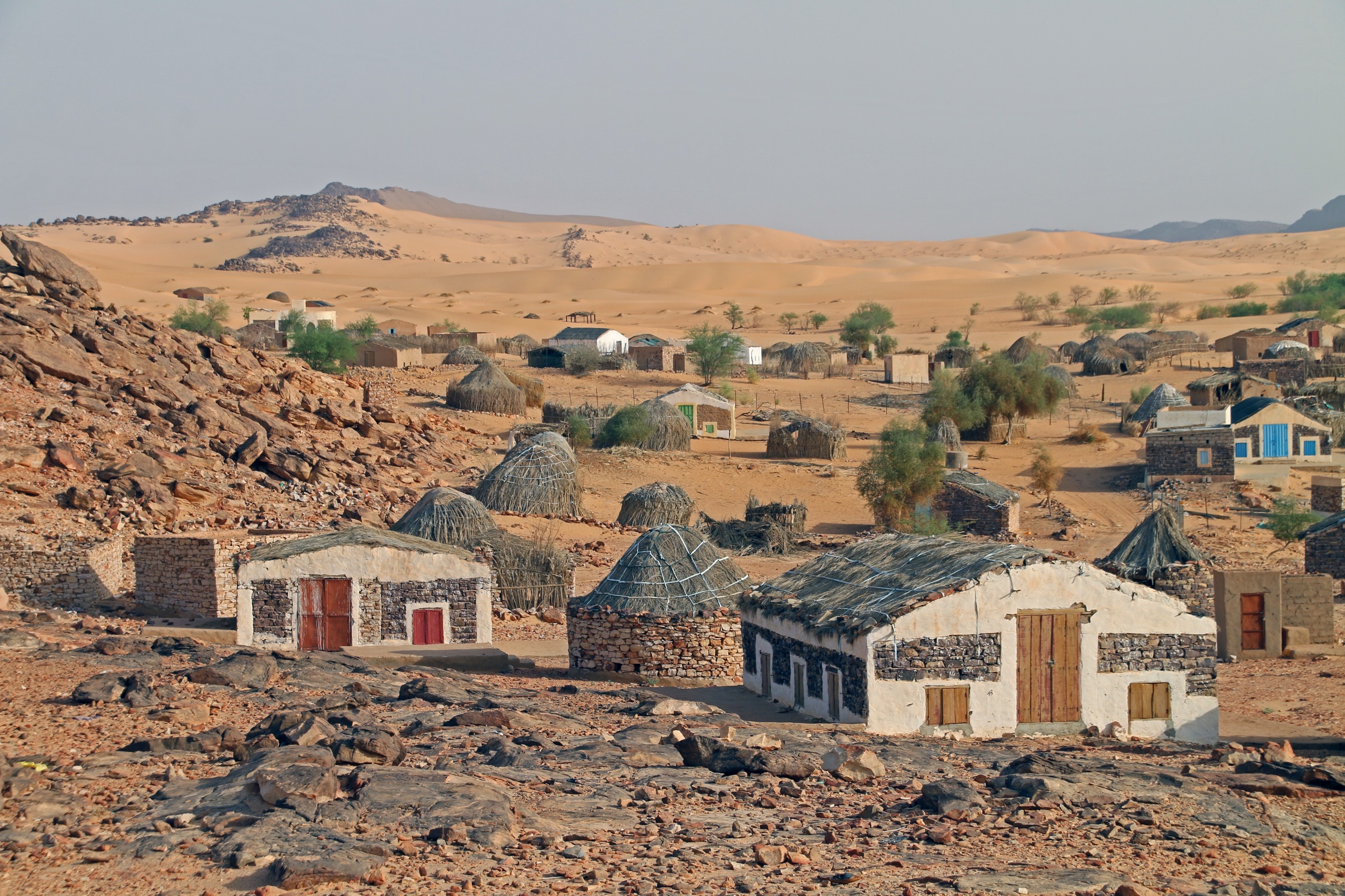
The Majabat al Koubra and the Mreye: the desert as character: These places are not mere scenery but actors in their own right. The desert, with its endless dunes and silences, shapes destinies. Brosset describes these landscapes with precision, where every oasis, every well, every dune carries a story and memory.
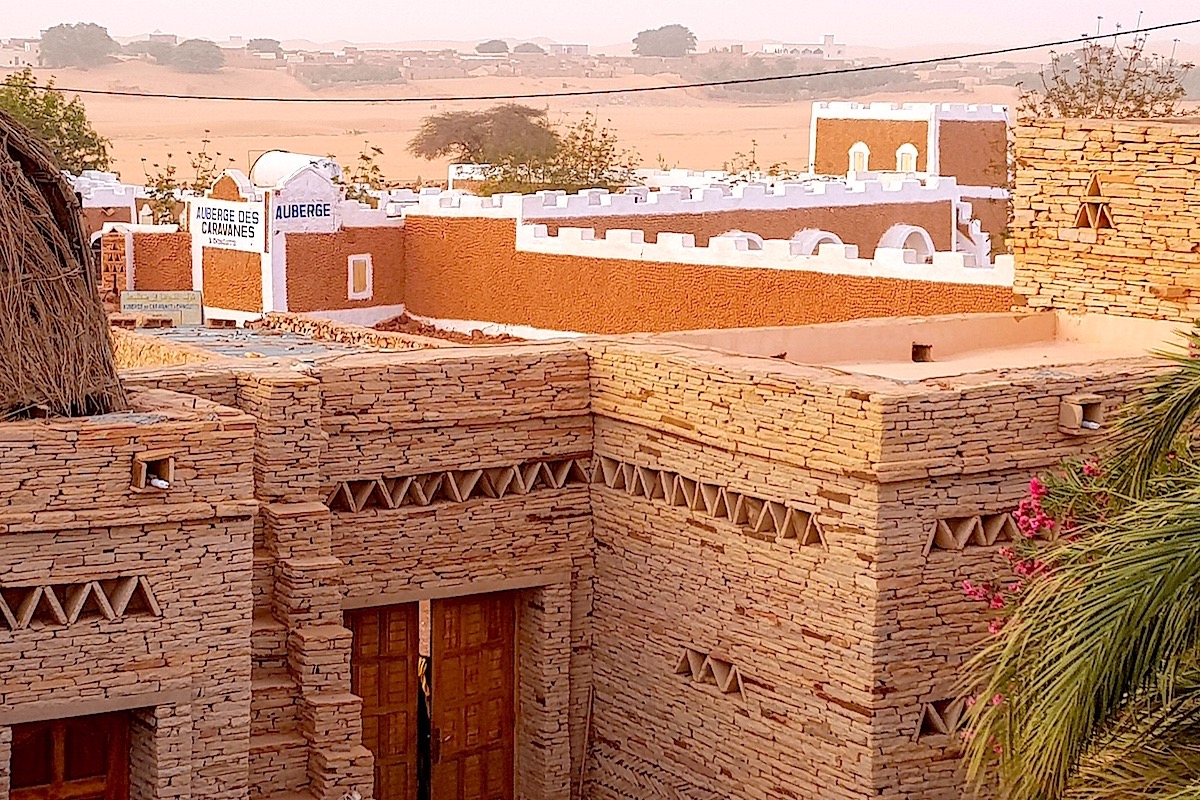
Ouadane, the beating heart of the narrative: The city, with its ancient libraries, scholars, and poets, is the starting point and destination of Sid Ahmed's journeys. It represents both tradition and the last defense against assimilation.
The clash of cultures: Diego Brosset, torn between his role as a colonial officer and his admiration for nomads, offers a nuanced view of the encounter between two worlds. He shows how colonization disrupts ancestral balances without ever falling into Manichaeism.
Oral memory and legend: The accounts of Ouadane's elders